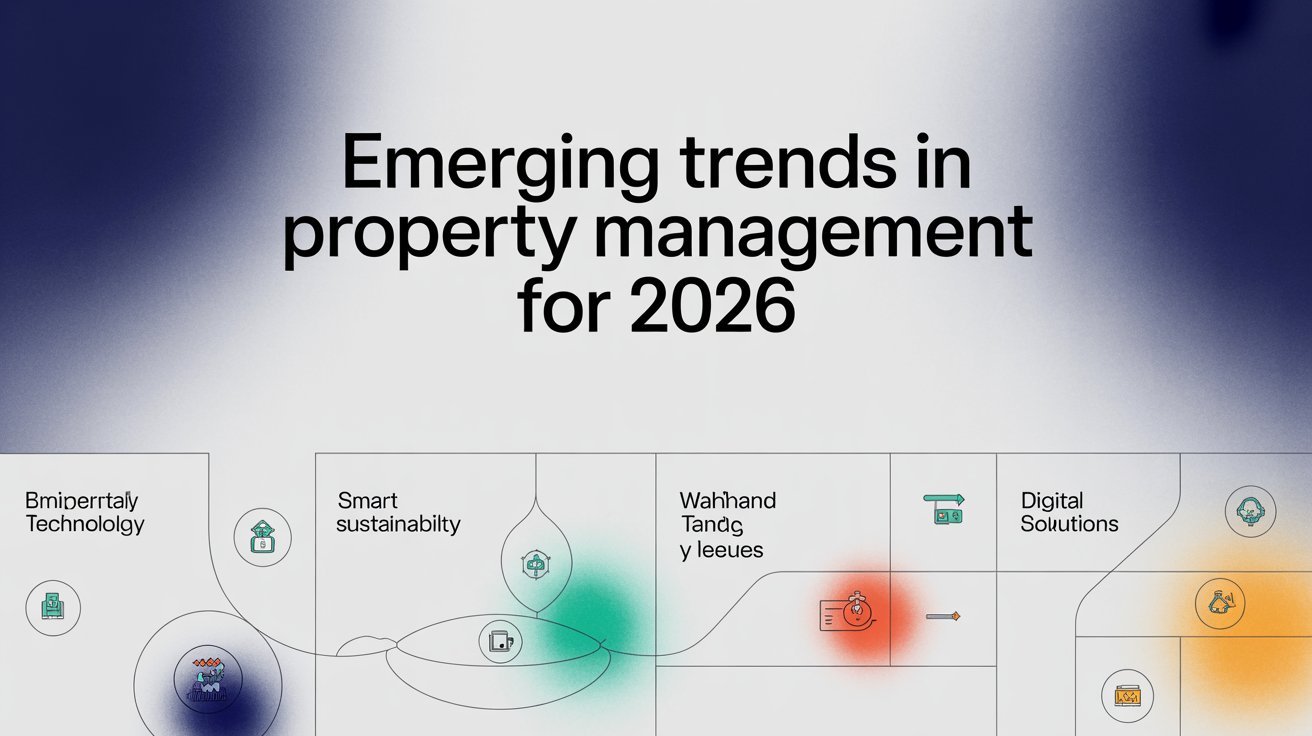
The rapid evolution of technology, changing resident expectations, and an overarching commitment to sustainability are positioning property management for a significant leap forward in 2026. Real estate professionals need to adapt quickly to remain competitive and deliver value to both owners and tenants. Efficiency, transparency, and tenant engagement will be critical factors, particularly as innovative solutions reshape traditional property operations. For those seeking a local edge in this dynamic environment, working with a certified property manager Houston provides unique insights and professional guidance tailored to the region.
With these changes on the horizon, proactive property managers are investing in smart systems, artificial intelligence, and eco-friendly design to differentiate their services and properties. As we approach 2026, prioritizing tenant satisfaction while leveraging digital tools will play a defining role in maximizing property value and streamlining management workflows. Staying informed about these trends is no longer optional—it is essential for business sustainability.
Artificial Intelligence Revolutionizes Operations
Artificial Intelligence (AI) is playing a transformative role in property management by automating routine processes, reducing human error, and accelerating decision-making. AI-driven leasing assistants can efficiently handle tenant inquiries, scheduling, and virtual tours, freeing up management teams to focus on strategy rather than administrative work. Moreover, predictive analytics are helping property managers anticipate maintenance needs, enhancing preventative care and reducing costly repairs.
Blockchain Enhances Transparency and Security
Blockchain implementation is driving a new era of trustworthy, decentralized real estate management. By leveraging smart contracts, both rental agreements and transactions become fully transparent and immutable, reducing fraud and creating a secure environment for all stakeholders. As more investors and tenants demand privacy and verifiability, industry analysts project a multibillion-dollar growth in crypto-based real estate transactions. Property managers adopting blockchain technology are setting a new standard for accountability and transaction speed, making it increasingly attractive to digitally savvy clients.
Internet of Things (IoT) for Smart Property Management
The integration of IoT devices is reshaping property management, offering capabilities that were previously unthinkable. Smart locks, energy meters, water leak detectors, and occupancy sensors empower property managers with real-time data and enable proactive interventions. According to Forbes, these innovations are transforming how the real estate industry operates, from streamlining maintenance to enhancing tenant experiences. These devices facilitate predictive maintenance, support energy conservation, and boost tenant satisfaction by providing responsive service.
Emphasis on Tenant Experience and Engagement
Tenant demands continue to evolve, with a distinct shift toward experiential amenities and services that foster community and convenience. Property managers are focusing on value-added offerings such as package delivery lockers, EV charging stations, pet-friendly environments, and resident event programming. High tenant satisfaction has been linked with increased lease renewals and word-of-mouth referrals, making this area a focal point for companies seeking to maximize occupancy and reduce turnover. Building a strong community culture through engagement platforms is no longer an option; it is a decisive factor for property success in 2026.
Digital Twins for Enhanced Property Management
Digital twin technology is elevating operational efficiency by providing managers with a real-time, 3D replica of their properties. Integrating live sensor data, managers can monitor performance, simulate maintenance scenarios, and proactively address building issues. This reduces downtime, lowers maintenance costs, and ensures tenants experience minimal disruptions. Digital twins are slowly becoming an industry standard as the technology becomes more affordable and robust.
Centralized Leasing and Automation
The rise of centralized leasing models enables organizations to manage multiple properties from a single hub, utilizing automation tools to allocate resources more efficiently. Automated chatbots, digital document workflows, and integrated CRM systems reduce the administrative burden for on-site staff, allowing them to focus more on enhancing the resident experience. This operational shift is already evident in leading property management firms, and its adoption is expected to accelerate, driving better outcomes for both managers and residents alike.
Sustainability and Energy Efficiency
Eco-conscious tenants are increasingly seeking out green buildings, which makes sustainable property management a clear business imperative. Popular upgrades include smart thermostats, advanced lighting controls, and on-site renewable energy solutions such as solar panels. Properties that achieve industry sustainability certifications command higher rents and tend to attract premium tenants.
Conclusion
Property management is undergoing a digital transformation that is set to continue well into 2026. By embracing artificial intelligence, blockchain, IoT, and digital twins—and by focusing on exceptional tenant experiences and sustainable practices—property managers are positioning themselves for success. Those who adopt these innovations and prioritize adaptability will elevate their services and deliver greater value to property owners and residents alike.
Do Read: How to Choose the Right Bankruptcy Attorney for Your Case