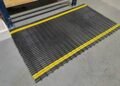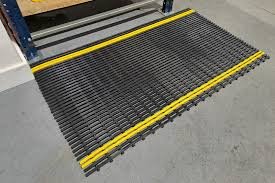
Safety mats are essential protective equipment used in environments where slip, trip, and fall hazards are prevalent. These mats feature a cushioned surface designed to absorb impact energy and reduce injury severity when falls occur. They are commonly installed in playgrounds, fitness facilities, and industrial workplaces to minimize accident-related injuries.
Beyond their primary cushioning function, safety mats serve as visible safety indicators that communicate to users that protective measures are in place. This visual presence reinforces awareness of potential hazards in the area. Safety mats also contribute to establishing a safety-conscious culture within organizations and communities.
When employers and facility managers invest in quality safety mats, they demonstrate commitment to protecting employees and visitors from injury. This investment can reduce workplace injuries, decrease organizational liability, and improve employee morale. In high-risk environments such as children’s play areas and facilities with heavy machinery, safety mats are particularly important for creating secure conditions and maintaining operational efficiency. In even more demanding environments, businesses may require safety mats for mining and heavy industry to ensure durability and protection under extreme conditions.
Types of Safety Mats
Safety mats come in various types, each designed for specific applications and environments. One common type is the rubber safety mat, which is often used in gyms and fitness centers. These mats provide excellent shock absorption and traction, making them ideal for high-impact activities.
Rubber mats are durable and resistant to wear and tear, ensuring they can withstand heavy foot traffic and equipment use. Additionally, they are easy to clean and maintain, which is essential in environments where hygiene is a priority. Another popular type is the foam safety mat, frequently found in children’s play areas and daycare centers.
Foam mats are lightweight and provide a soft surface that cushions falls, making them suitable for young children who are prone to accidents. These mats often come in interlocking tiles, allowing for easy installation and customization of play spaces. Furthermore, foam mats can be colorful and engaging, enhancing the aesthetic appeal of play areas while ensuring safety.
Each type of safety mat serves a unique purpose, catering to the specific needs of different environments.
Cleaning and Maintenance Guidelines
Proper cleaning and maintenance of safety mats are essential to ensure their longevity and effectiveness. Regular cleaning helps remove dirt, debris, and contaminants that can accumulate over time, potentially compromising the mat’s performance. For rubber safety mats, a simple solution of warm water and mild detergent is often sufficient for routine cleaning.
It is advisable to use a soft-bristle brush to scrub away stubborn stains without damaging the mat’s surface. After cleaning, rinsing with clean water and allowing the mat to air dry will help maintain its integrity. Foam safety mats require a slightly different approach due to their porous nature.
It is crucial to avoid soaking them in water, as excessive moisture can lead to mold growth. Instead, spot cleaning with a damp cloth and mild soap is recommended. For deeper cleaning, using a steam cleaner can effectively sanitize foam mats without saturating them.
Additionally, periodic inspections for signs of wear or damage should be conducted during cleaning sessions to ensure that any issues are addressed promptly.
Regular Inspections
Conducting regular inspections of safety mats is vital for maintaining their effectiveness and ensuring user safety. Inspections should be performed at least once a month or more frequently in high-traffic areas. During these inspections, facility managers should look for signs of wear such as cracks, tears, or discoloration that may indicate deterioration.
It is also essential to check for any loose edges or lifting corners that could pose tripping hazards. In addition to visual inspections, it may be beneficial to assess the mats’ performance by testing their slip resistance. This can be done using specialized equipment that measures the coefficient of friction on the mat’s surface.
Ensuring that safety mats meet established slip resistance standards is crucial for preventing accidents. By implementing a routine inspection schedule, organizations can identify potential issues before they lead to injuries, thereby fostering a safer environment for all users.
Repair and Replacement
When safety mats show signs of damage or wear, timely repair or replacement is essential to maintain safety standards. Minor issues such as small tears or surface abrasions can often be repaired using specialized adhesives or patch kits designed for the specific type of mat material. For rubber mats, there are repair compounds available that can restore the mat’s integrity without compromising its performance.
However, it is crucial to follow manufacturer guidelines when performing repairs to ensure compatibility with the mat’s material. In cases where damage is extensive or the mat has reached the end of its useful life, replacement may be necessary. Signs that a mat needs replacement include significant wear patterns, loss of cushioning properties, or persistent odors that indicate contamination.
When selecting replacement mats, it is important to consider factors such as material durability, intended use, and compliance with safety standards. Investing in high-quality replacement mats not only enhances safety but also contributes to long-term cost savings by reducing the frequency of replacements.
Training and Education
Training and education regarding the use and maintenance of safety mats are critical components of an effective safety program. Employees should be informed about the importance of safety mats and how they contribute to overall workplace safety. This training can include proper procedures for reporting damaged mats, as well as guidelines for maintaining cleanliness around mat areas to prevent slips caused by debris or spills.
Additionally, educating users about the limitations of safety mats is essential. While these mats provide significant protection against falls, they are not a substitute for safe practices or proper footwear. Training sessions can incorporate demonstrations on how to navigate areas with safety mats effectively and emphasize the importance of adhering to established safety protocols.
By fostering a culture of awareness and responsibility regarding safety mats, organizations can enhance their overall safety performance.
Compliance with Safety Standards
Compliance with established safety standards is paramount when it comes to the use of safety mats in various environments. Organizations must ensure that their safety mats meet relevant industry standards set by organizations such as ASTM International or the American National Standards Institute (ANSI). These standards outline specific requirements for slip resistance, impact absorption, and material durability.
In addition to adhering to these standards during initial installation, ongoing compliance should be monitored through regular inspections and maintenance practices. Documentation of compliance efforts can also be beneficial during audits or inspections by regulatory bodies. By prioritizing compliance with safety standards, organizations not only protect their users but also reduce liability risks associated with accidents on their premises.
Benefits of Properly Maintained Safety Mats
The benefits of properly maintained safety mats extend beyond injury prevention; they also contribute positively to an organization’s reputation and operational efficiency. Well-maintained mats enhance user confidence in the safety measures implemented within an environment. This confidence can lead to increased participation in activities such as exercise classes or recreational play, ultimately benefiting the organization’s bottom line.
Furthermore, investing in quality maintenance practices for safety mats can lead to cost savings over time. Regular cleaning and timely repairs extend the lifespan of the mats, reducing the need for frequent replacements. Additionally, by minimizing accidents through effective use of safety mats, organizations can lower insurance premiums associated with workplace injuries. For organizations expanding their teams or improving operations, understanding how to hire staff in Perth can also support broader workplace management goals.
The cumulative effect of these benefits underscores the importance of prioritizing both the installation and ongoing maintenance of safety mats in any environment where user safety is paramount.